
Image-based Child Abuse
Is someone sharing sexual, violent or abusive images or videos of a child under 16 online? These images or videos can be real or generated.
Last updated 17 August 2026
In immediate danger or need urgent help?
If you are in immediate danger, please call the Police at 999 or SMS 70999.
If you require emotional support, please call the National Mindline at 1771 or WhatsApp +65 6669 1771.
For more support options, visit our Get Support from Our Partners page.
What can be reported as image-based child abuse?
Image-based child abuse occurs if you are under 16 and someone shares sexual, violent or abusive images or recordings of you online. This includes advertising or offering to sell or distribute the images or recordings. These images or recordings can be real or generated.
The OSC can help you in several ways depending on your case. If the OSC finds that online harm has occurred, the Commissioner of Online Safety can take action to stop the harm, such as giving directions to:
Remove the harmful material
Limit or disable the responsible person's account
What does image-based child abuse look like?
Examples of image-based child abuse
Images or videos showing a child as a victim of sexual abuse
This includes situations where someone does the following online:
Shares an edited photo of you in a sexualised manner
Posts a video of an adult touching you in a sexual or inappropriate manner
Posts an image of another person engaging in a sexual act with you present
Violent or abusive images or videos showing the child as a victim of torture, cruelty or physical abuse
This includes situations where someone does the following online:
Shares an image or video of you being physically abused, such as being punched, slapped or kicked
Shares an image or video of you being bullied in a demeaning or humiliating manner
What does not count as image-based child abuse
Sometimes, sexual, violent or abusive images or videos of a child may be shared for legitimate purposes such as:
Education: Images used in news articles, such as a photo of injured children in a war zone to raise awareness about the serious effects of war
Art: Images shared as part of a recognised art project
Science or medicine: Images used for research, health or safety awareness
Is someone sharing sexual, violent or abusive images or videos of a child under 16 online?
Help is available.
Who can make a report?
The OSC supports victims with a connection to Singapore.
You can report image-based child abuse to the OSC if you are:
The child shown in the image or recording,
The parent or guardian of the child, or
A person who has been authorised by the child to make the report
You must be a:
Singapore Citizen,
Permanent Resident, or
If you need help preparing the report, you can approach our community partners for assistance.
If you come across image-based child abuse but do not meet the eligibility conditions above, please report the person responsible and harmful material directly to the relevant platform. This will allow the platform to review what happened, act quickly and keep you safe online.
How do you make a report?
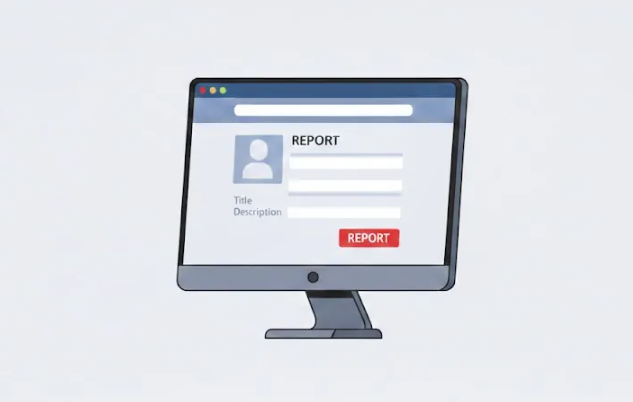
To report image-based child abuse, fill in and submit the OSC report form (opens in new tab).
You will be asked to provide the information below. This helps the OSC understand what happened and how to support you.
If you are facing multiple types of online harm, include details of all of them in the same report. You only need to submit one report.
The OSC will assess your report holistically based on the information provided.
What you will need to provide
Your personal information and proof of identity
If you are the child making a report:
You can submit your personal information via Singpass
If you do not have Singpass, you can enter your information manually. You will need to provide proof of identity such as a copy of your:
Student Pass (if you are under 15),
NRIC, or
Long-term pass
If you are a parent or guardian making a report for your child:
You will also need to provide proof of your relationship to the child.
A parent can provide proof of relationship by:
Using Singpass, or
Submitting a copy of the child's birth certificate
A guardian can provide proof of relationship by submitting:
Guardianship order (if any), or
Documents showing that you are the child's guardian
If you have been authorised to make a report for a child:
You will need to submit:
An authorisation form (opens in new tab) signed by the child
Proof of the child’s identity, such as a copy of the child’s:
Student Pass (if they are under 15),
NRIC, or
Long-term pass
Description of what happened
Who was involved:
Give usernames, account names/handles, profile links or IDs of the person or people responsible
What was done:
Describe the images or videos you saw
How the harmful material was shared:
Explain if it was shared by messages, chat groups, comments, posts or other means
All the platforms where you saw the harmful material:
Name the apps or sites
Supporting evidence
If possible, save and submit the following in your report to the OSC:
Screenshots or links to the harmful content, such as posts, messages, comments and recordings. Include the dates and times when they were sent or posted.
Reports made to platforms, if any.
Declaration and consent agreement
You need to confirm that the information provided is true and accurate. You agree that the OSC may use it to review and investigate the report.
Sharing, keeping, or accessing child abuse material is illegal. Only keep or share such content if you are reporting it to the OSC or other public authorities, or for court proceedings, and only for as long as necessary.
Is someone sharing sexual, violent or abusive images of a child under 16 online?
Help is available.
Reporting to the OSC may help get the harmful material removed faster, reduce further harm and allow the authorities to step in if needed.
You can also:
Make a police report if you believe a crime has been committed
As reporting to the OSC may lead to the harmful material being removed, please save the evidence if you plan to also report to the Police or take legal action.
Do you have questions on reporting online harm to the OSC? Read our FAQs.
What happens after a report is made?
You will receive a confirmation email after you submit a report. If you have questions or want to follow up on your report, you can reply directly to the email.
The OSC will review your report and begin an investigation. An OSC officer may contact you for more details. The OSC will then work with the relevant platforms and authorities to address the harmful material.
Read more about what happens after a report is made to the OSC. (opens in new tab)